In 2026, playing Xiangqi against AI does not have to mean installing a client
Search for “Xiangqi AI” or “Chinese chess online” and you mostly get downloadable lobbies — or international chess with a completely different ruleset. A lot of people only want two things: play the computer immediately, or set up an endgame and send the position to a friend. Lobbies are built for rating and social play. Opening a tab, skipping signup, and running the engine on your device is not their job.
MeTool Xiangqi is scoped to that job: play the AI in the browser, four levels, lay out an endgame, and pack the position into a link. Pieces move by Chinese-chess rules: the Cannon captures by jumping over exactly one piece, the Horse can be blocked, and the two Generals may not face each other on an open file. Computation stays in your browser; the game record is not uploaded. For one-move mating drills, use Xiangqi endgames.
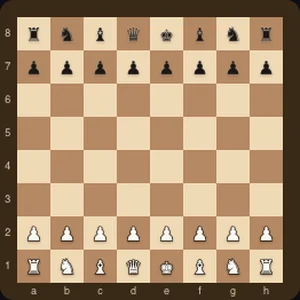
Xiangqi is not international chess
Both names contain “chess.” The rules are not the same. Mixing them is the usual way a first game falls apart.
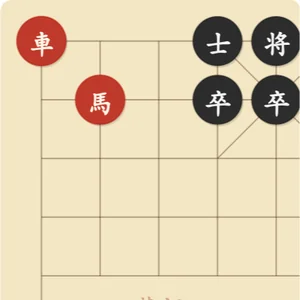
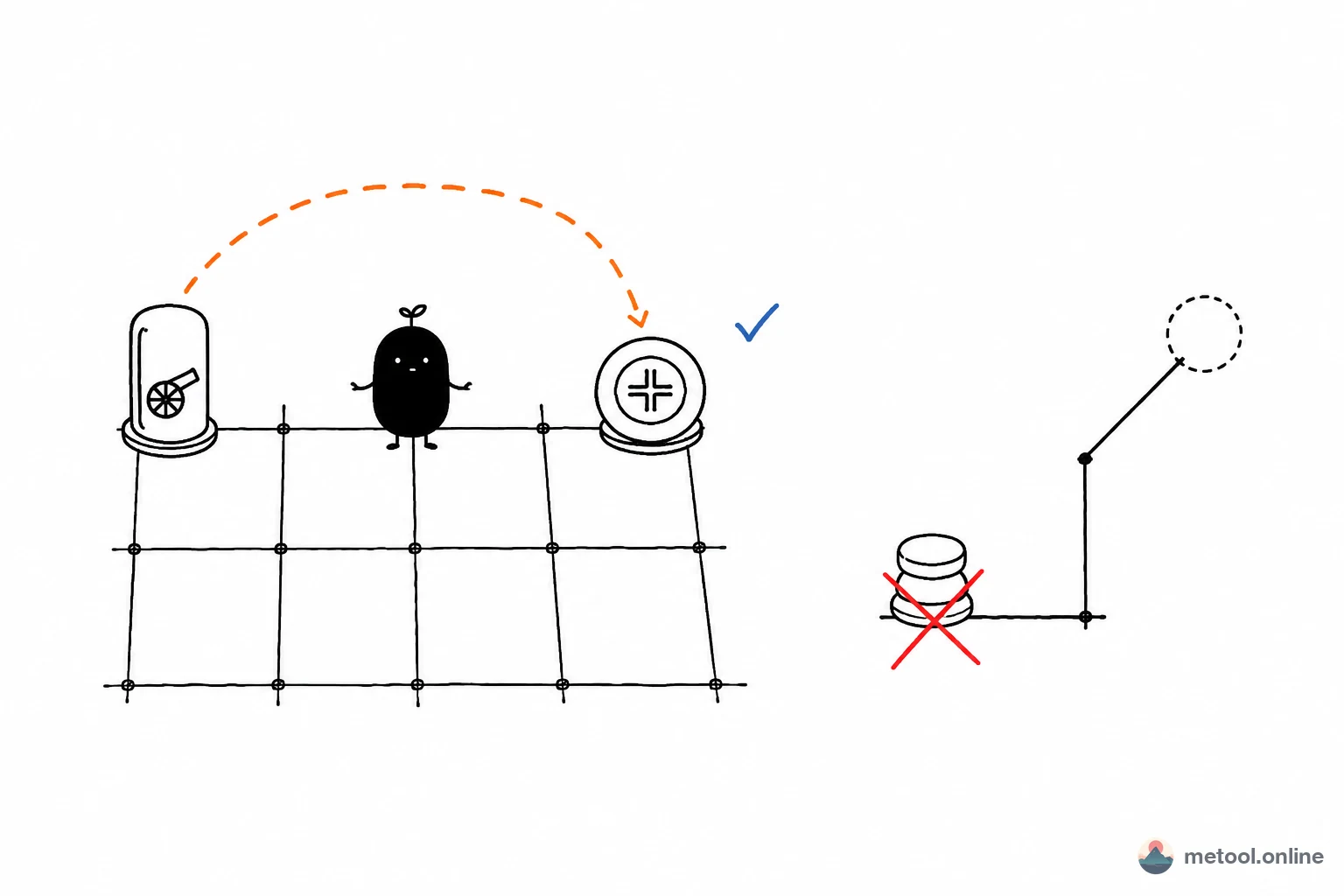
The Cannon has no chess equivalent. It slides like a Rook when it is not capturing. To capture, it must jump over exactly one piece (the platform). That makes it fierce in crowded middlegames and weaker when the board empties.
The Horse can be blocked. It moves one step orthogonally, then one diagonally. A piece on the first step stops it. A chess Knight is never blocked that way.
Elephants stay on their side; Generals cannot face each other. An Elephant moves exactly two diagonal steps and cannot cross the river. If the two Generals stand on the same file with nothing between them, the side to move can win on the spot (“flying general”). That pattern shows up constantly in endgames.
If you want castling and pawn promotion, go to international chess. This page is only Xiangqi — the game with Cannons and a river.
Endgame setup and position links
A full game often takes 10–30 minutes. The more common need is a mate from a book, a half-finished game with a friend, or a “Horse-behind-Cannon” shape you want to repeat.
Layout mode is built for that:
- Place pieces: tap a Red or Black piece, then a point. Generals and Advisors stay in the palace; Elephants cannot cross the river; the Generals cannot face each other.
- Start from there: after the position validates, choose who moves and which side you play, then continue against the AI.
- Share: the position is packed into the
?lz=query. Anyone who opens the link sees the same board. Nothing is stored on a server.
For the shapes people mix up most, see Horse-behind-Cannon, the hobbled Horse, and the Cannon platform. If you want “mate in one” drills before a full game, use Xiangqi endgames.
The current game also auto-saves in localStorage. Close the tab and come back — the board resumes. “New Game” clears the save.
MeTool Xiangqi vs popular clients
These products show up in the same searches. They are not aimed at the same job. The table only lists facts you can check.
| MeTool Xiangqi | Everyday Chinese-chess apps (e.g. 天天象棋) | QQ Xiangqi | Strong desktop engines (e.g. 象棋巫师) | |
|---|---|---|---|---|
| Install | Browser tab | App / client | App / client | Mostly a Windows client |
| Account | Not required | Account required | Account required | Offline play can skip login |
| Main use | Local AI, endgame setup, shareable links | Rated games, campaigns, friends | Online lobby | Deep analysis, engine matches |
| Where the game lives | Browser local storage | Platform account | Platform account | Local files, if you export |
| Best fit | Play the computer now, or send an endgame link | Ratings, events, human opponents | People already on QQ | Deep analysis at a desk |
Lobby apps are the right tool when you want humans and a rating.
Desktop engines are the right tool when you want long analysis. They are not “open the phone browser and play.”
MeTool does not replace those products. The difference is the floor: no account, no install, and an endgame that travels as a URL.
What regular Xiangqi practice actually trains
After the rules stick, the slow part is calculating mates and knowing when to stop a losing line.
① Forced lines before “feel.” Checks, exchanges, and flying-general threats can be counted. In an endgame, finishing the forced line leaks fewer mates than starting from “this side looks better.”
② Material is not a headcount. Cannons need platforms in the middlegame; Rooks usually outvalue Cannons when few pieces remain. The useful question is “what mating ideas are left after this trade?”
③ Horse-blocks and platforms are specific squares. Blocking a Horse, removing your own platform, or stepping the General off a file are moves you can point to. Those shapes transfer to real games faster than memorizing opening names.
④ A game can be split across a day. Auto-save and position links mean you do not need a free evening. Five minutes in the morning and five on the commute can be the same game — and you can send that game to someone else.
Open the page, pick a level and a side, and play the first move. To warm up on mates first, start at Xiangqi endgames.