Tech Deep-Dives
How the tools work under the hood — principles, implementation and limits.
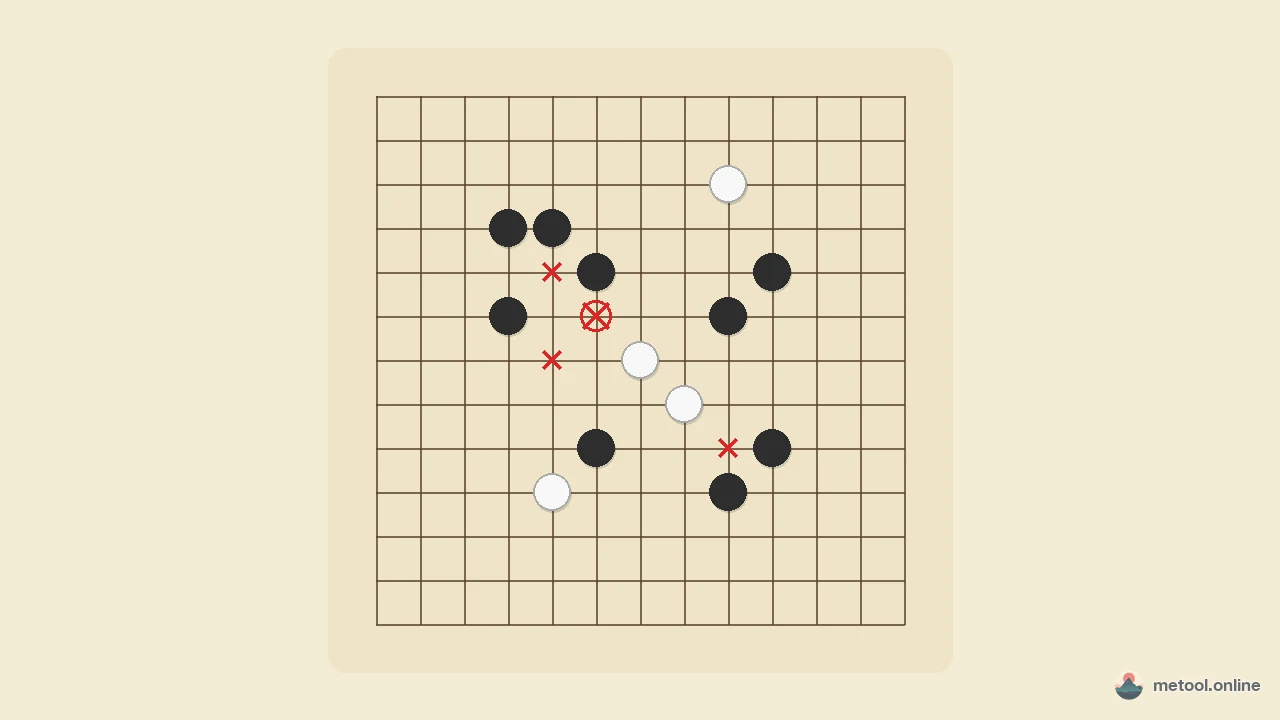
What Are Gomoku Forbidden Moves? Double-Three, Double-Four, Overline
A clear guide to Renju’s three black-only fouls—double-three, double-four, and overline—with diagrams showing why one move that creates two threats loses, how that differs from freestyle Gomoku and an exact five-in-a-row win, plus how to practice in the browser.
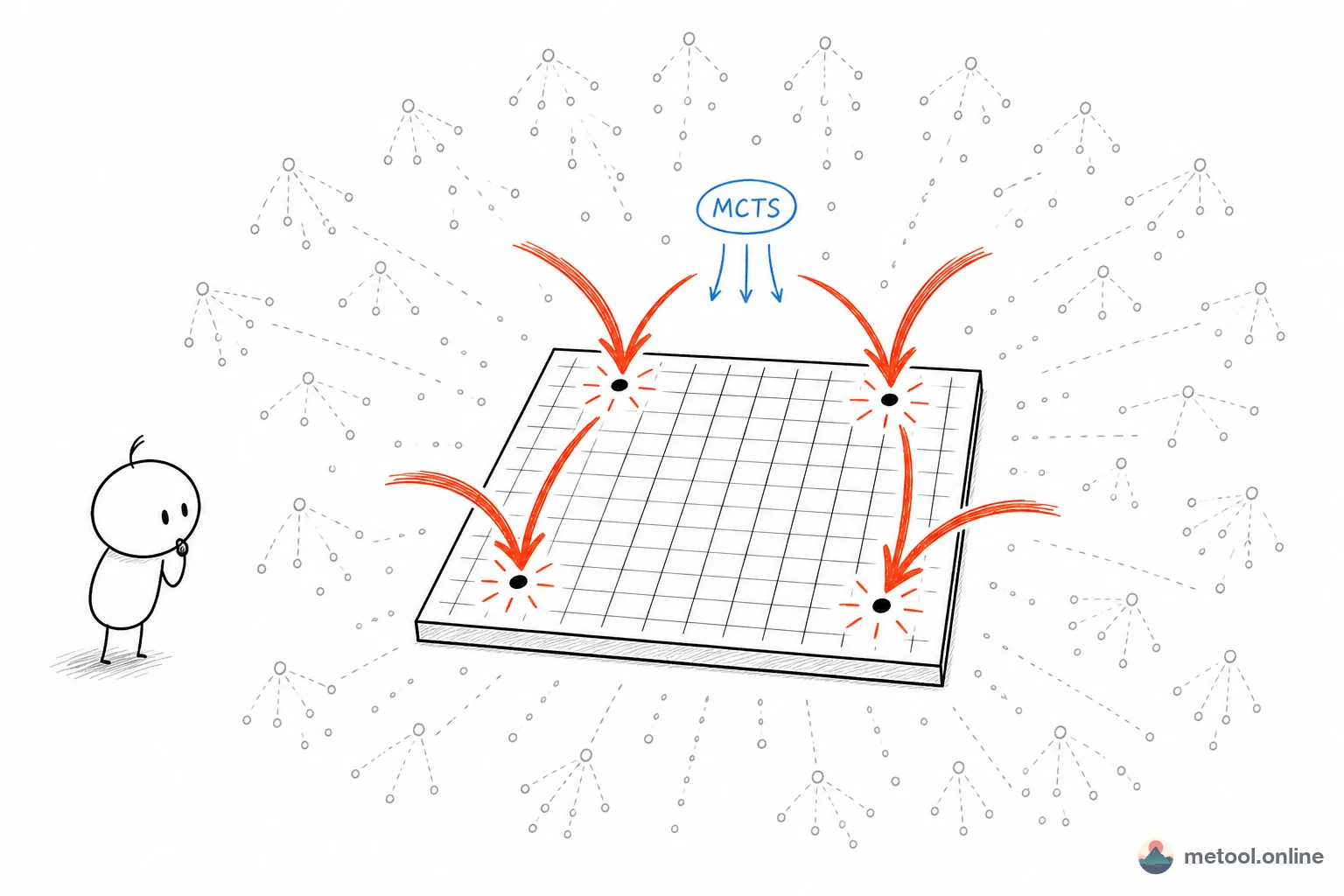
How Does a Go AI Choose Moves? An Intro to MCTS
Why Go needs Monte Carlo Tree Search, the four steps of selection/expansion/simulation/backprop, and real engineering trade-offs under browser simulation budgets: UCB1 constants, visit distributions, opening narrowing, and eye-filling in the endgame.
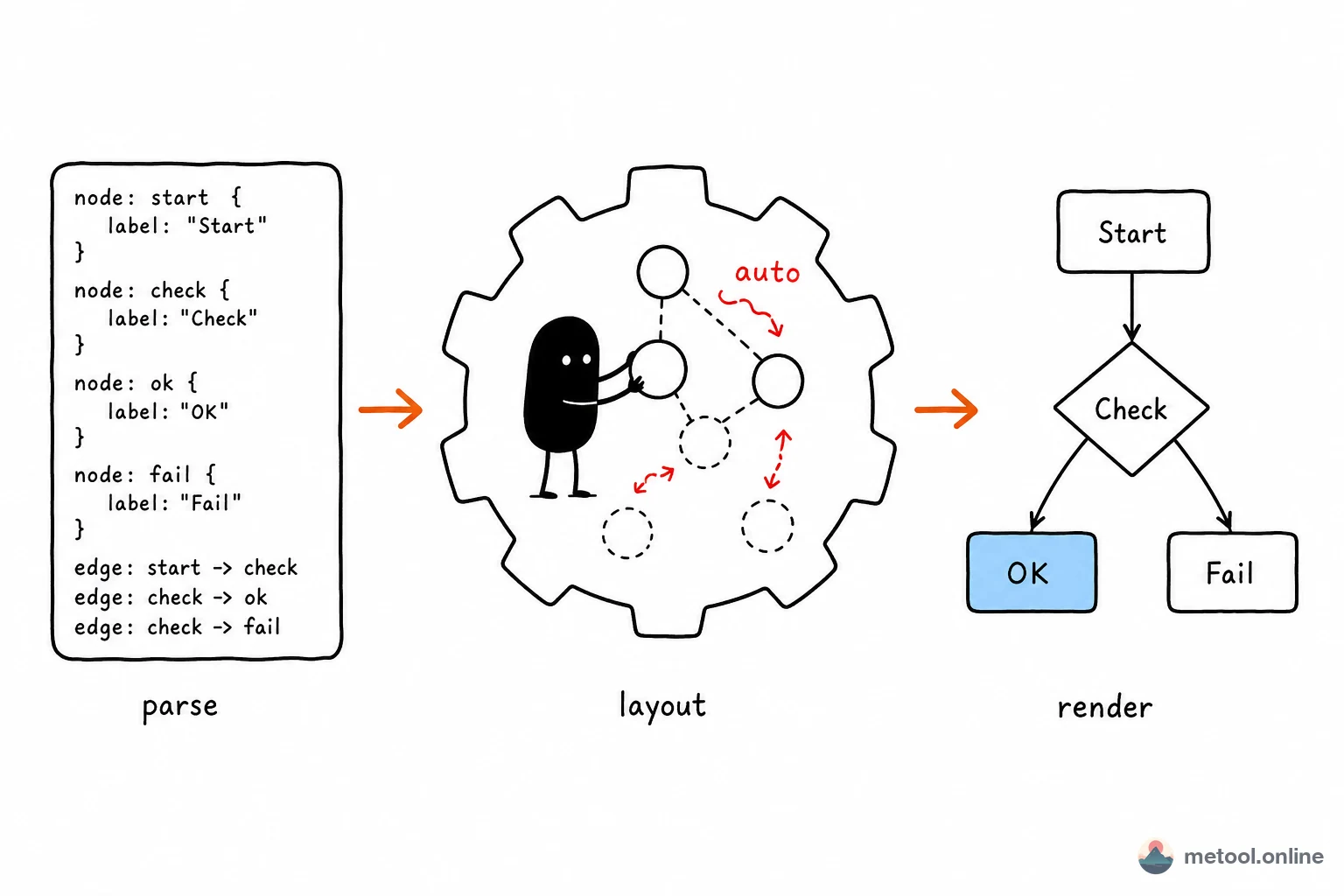
Diagram-as-Code: How Text Becomes Graphics, Engines, and Limits
How do Mermaid, PlantUML, and Graphviz turn text descriptions into diagrams? This article covers the parse–layout–render pipeline, trade-offs between engines, and where automatic layout stops working.
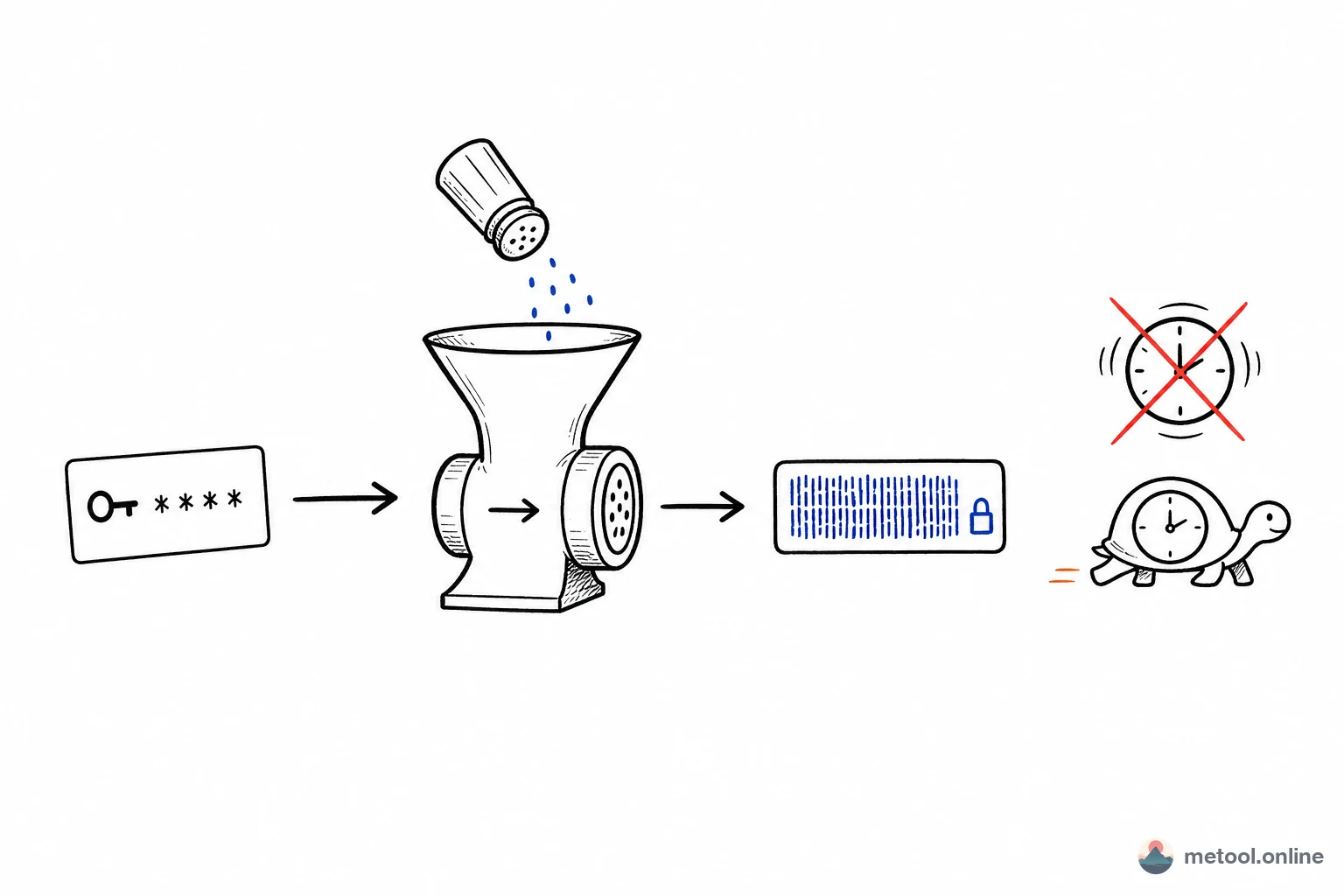
Don't Store Passwords with MD5: Hash, Salt, and Password Hashing Explained
MD5 and SHA-256 are hash algorithms, but using them directly for passwords is wrong. This article clarifies hash vs. salt vs. password hashing (bcrypt/Argon2), and why file checksums use SHA-256 while passwords need slow hashes.
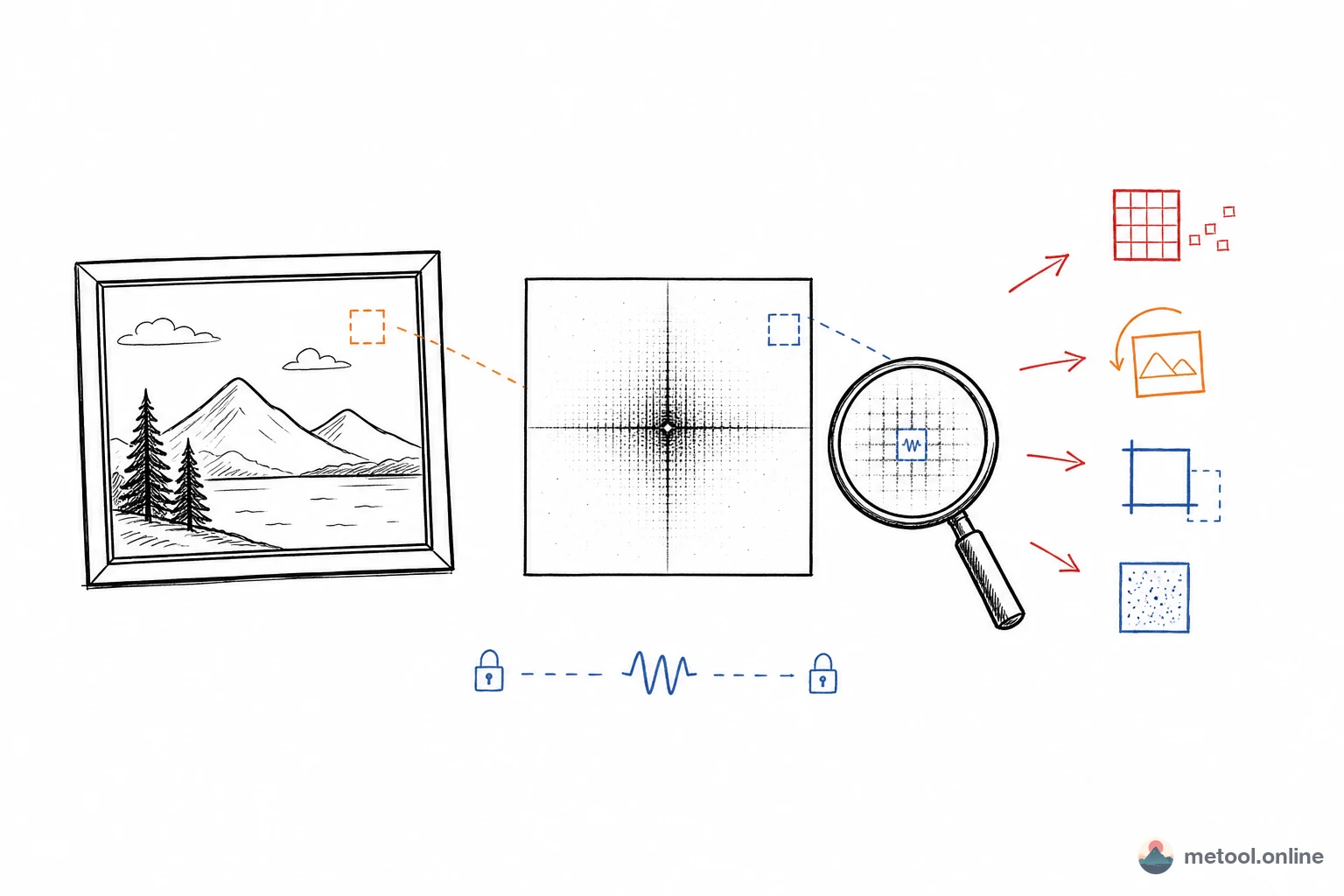
Can Blind Watermarks Survive Screenshot, Compression, and Rotation?
Blind watermarks hide information in image frequency domain—invisible to the eye. But do they survive WeChat compression, screenshots, and rotation? This article covers spatial vs. frequency domain, DCT/DWT, geometric attack resistance, and limits.
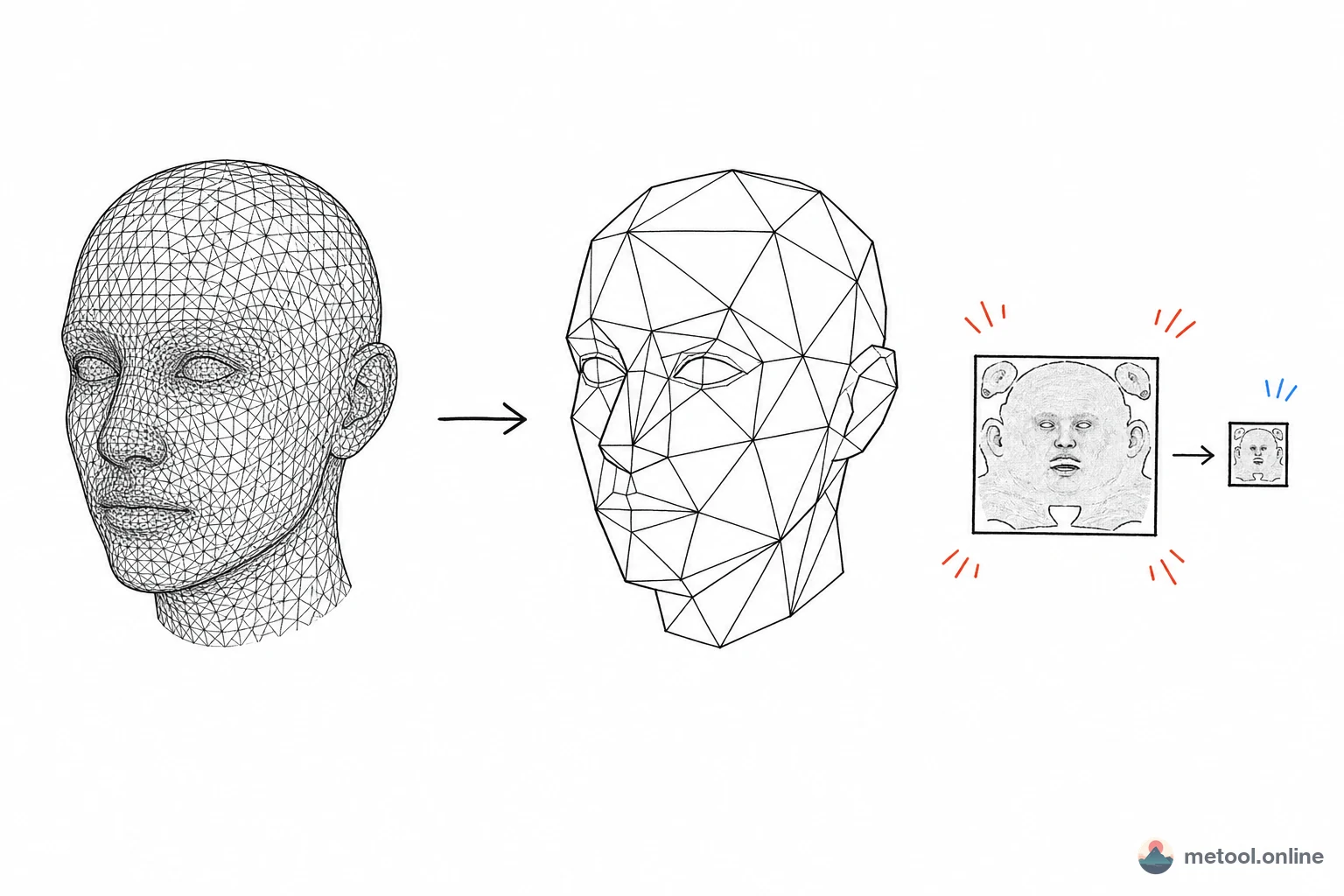
Why Is the 3D Model in My Web Page So Laggy? Decimation, Vertex Welding, and Texture Compression
Smooth in Blender, sluggish on the web with long loads. This article covers triangle count, duplicate vertices, and texture size—the principles, tradeoffs, and limits of Web 3D optimization.
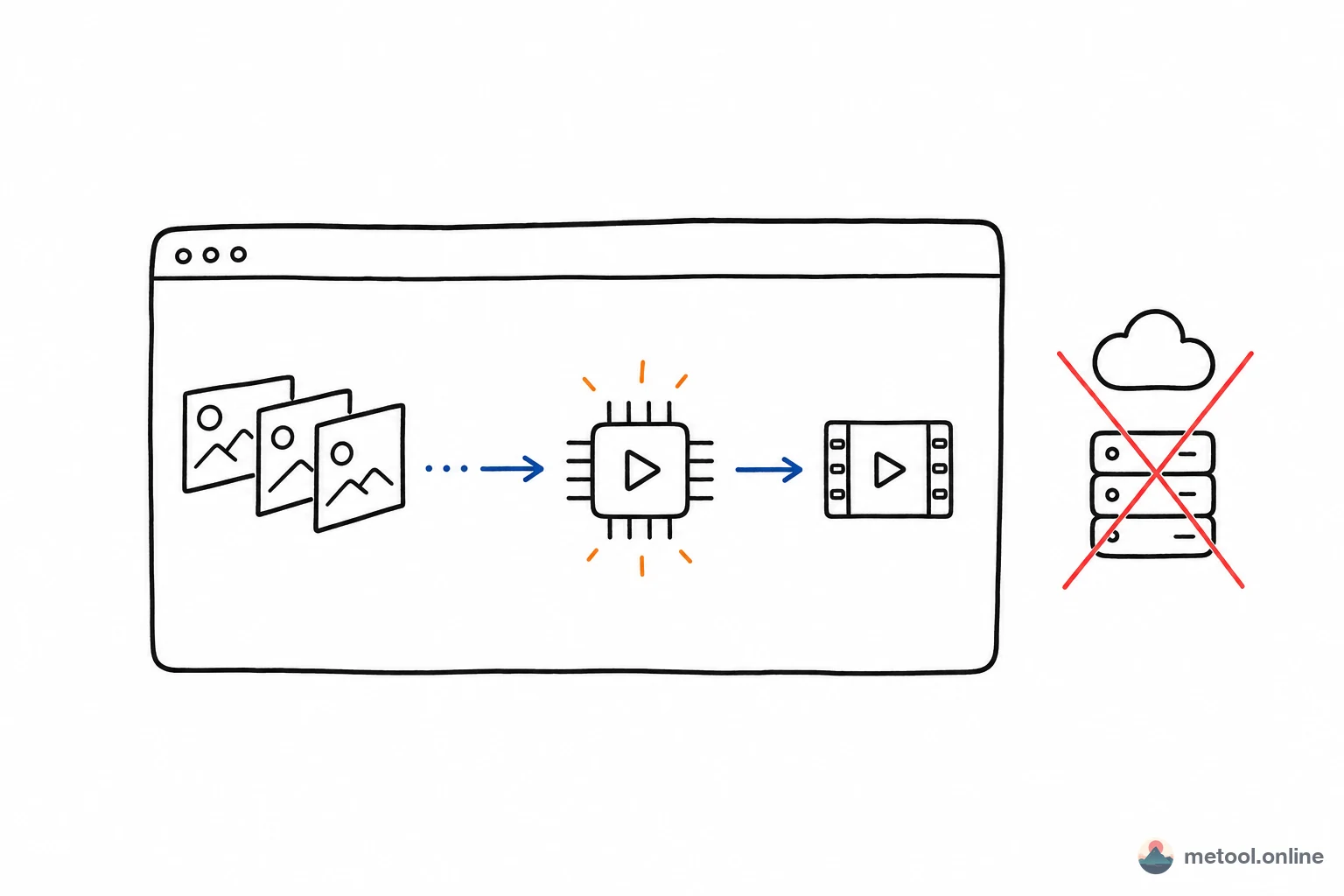
Transcode and Edit Video Without Installing Software: How WebCodecs Works in the Browser
Browser video used to mean upload to a server or slow ffmpeg.wasm soft decode. WebCodecs lets the browser call hardware codecs directly. This article covers how it works, differences from ffmpeg.wasm, and limits.
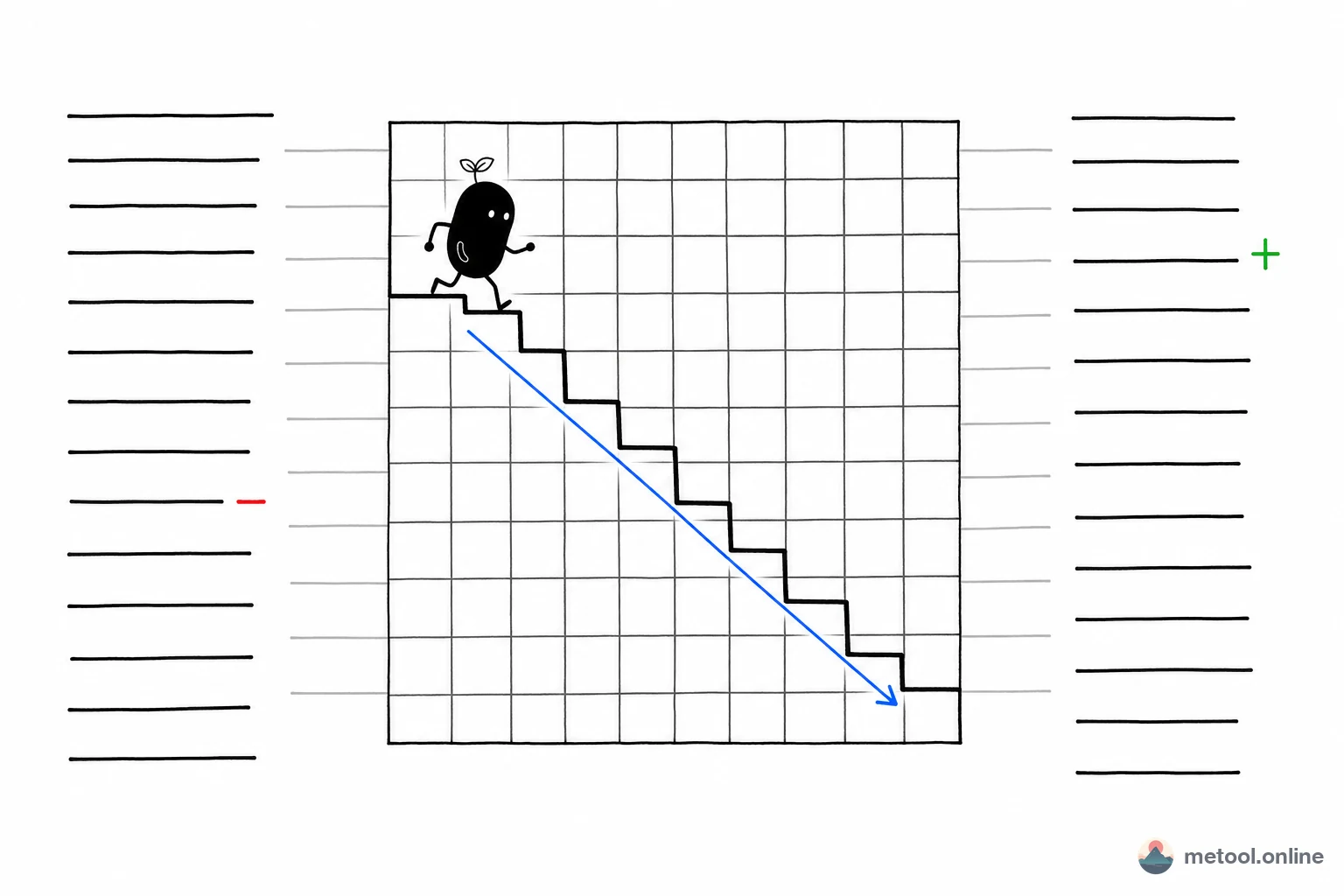
How Do Text Diff Tools Find Changes? A Look at Diff Algorithms
Diff is not character-by-character comparison—it finds a shortest edit path. This article covers LCS and Myers, line vs character granularity, inline highlighting, and performance limits on large text.
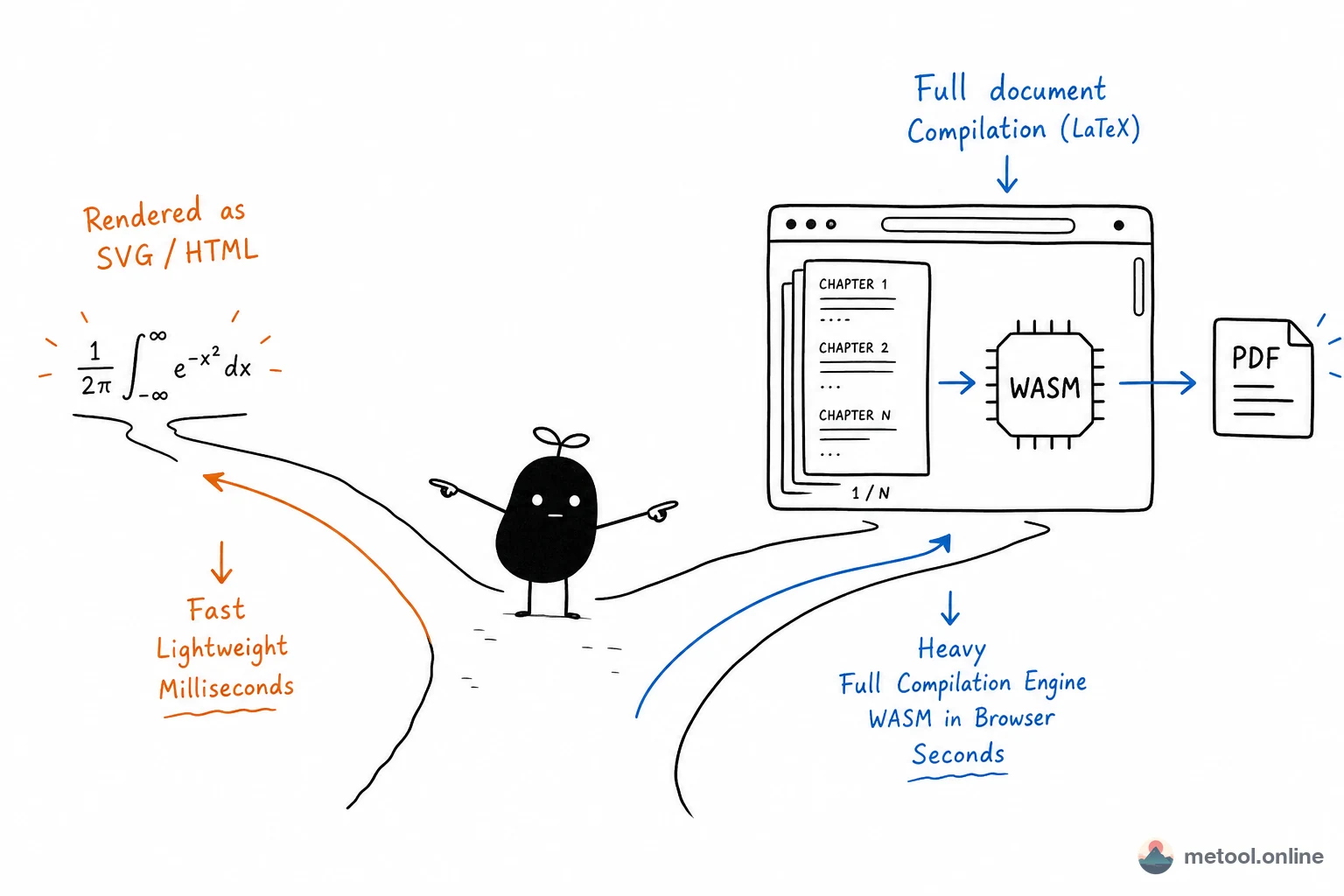
How Does LaTeX Run in the Browser? Two Stacks—from Formulas to Full Documents
You can render .tex in a web page without installing TeX. Two different technologies power it: KaTeX/MathJax for formulas, and a WebAssembly TeX engine for full documents. This article explains how they work, performance trade-offs, and capability limits.